darktable preset inspired by KodakColorPlus 200
Warm, slightly muted color with orange-leaning reds, discreet blues and moderate contrast.
- Film
- GA — 029 · sheet, datasheet, sources
- Pack
- Full pack
- darktable
- 5.6 or later
- In darktable
- Styles › Pellicules › Couleur
- File
- Pellicules - Couleur - Kodak ColorPlus 200.dtstyle
A darktable 5.6 style inspired by Kodak ColorPlus 200, built from reviews since no datasheet exists: native modules, no LUT. In the full pack.
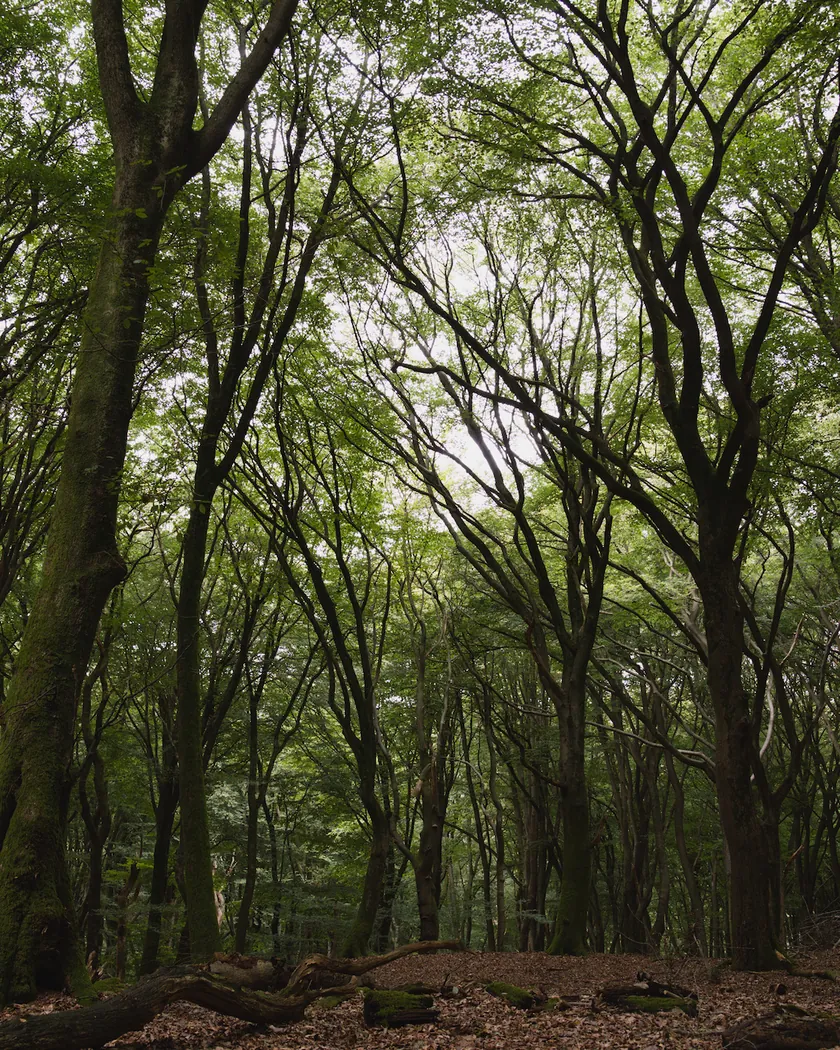
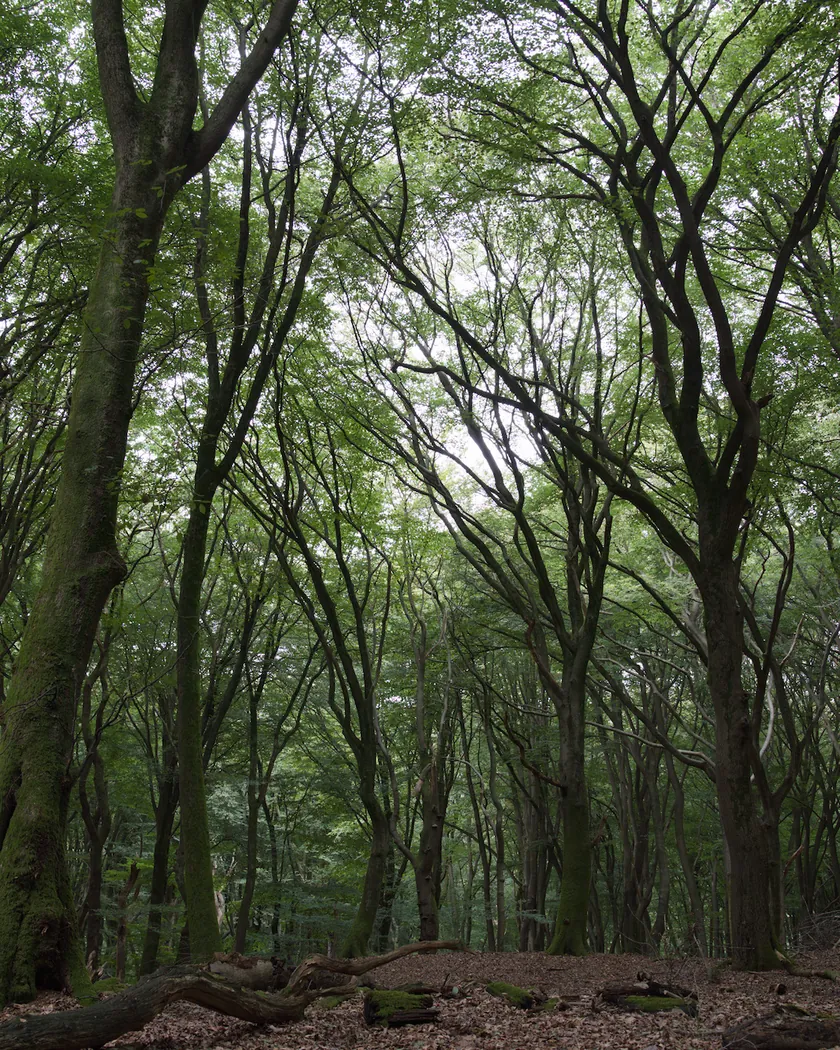
Translation into darktable
| Module | Role | Settings |
|---|---|---|
| rgb primaries | Slightly orange reds, greens less golden than the Gold 200 style, discreet blues | Green hue −0.03 rad, red hue +0.03 rad, blue hue −0.02 rad, blue purity 0.92 |
| color balance rgb (instance “film”) | Warmth weaker than the Gold 200 style, muted overall look | Midtones 60° / 0.010, highlights 55° / 0.015, shadows 175° / 0.008; saturation −6 %, vibrance +0.04 |
| color equalizer | Keeps skin warmth and reds, calms the sky | Saturation: orange ×1.14, red ×1.05, yellow ×1.04, blue ×0.92 |
| tone curve (RGB, per channel) | Medium contrast, shadows that clog, soft shoulder | Nodes (0, 0.03) (0.10, 0.075) (0.25, 0.215) (0.5, 0.505) (0.75, 0.80) (0.88, 0.90) (1, 0.95) |
| grain | Sized from the reported Print Grain Index of about 44, slightly sharper than Gold | Coarseness 1700, strength 20, midtones bias 85 |
Measurements
The measurements come from a few test photos of our own, which are not published on this site. The photos shown here are different.
| Photo | Zone | Baseline | Metric | Before | After | Film expectation |
|---|---|---|---|---|---|---|
| 1014 | whole image | Base rendering | Lsd (contrast) | 30.7 | 32.4 | Fairly strong contrast in direct light (Analog.cafe); the Gold 200 reference goes further (36.9) |
| 0775 | whole image | Base rendering | Lsd (contrast) | 14.3 | 17.1 | Moderate rise in contrast (Gold 200 reference: 19.5) |
| 1014 | whole image | Base rendering | L5 (blacks) | 2.6 | 4.0 | Shadows slightly clogged, not crushed |
| 0775 | sky | Base rendering | C (chroma) | 27.5 | 22.2 | Blues slightly muted (Analog.cafe) |
| 0775 | sea | Base rendering | C (chroma) | 22.2 | 16.1 | Blues slightly muted |
| 0989 | skin | Base rendering | C (chroma) | 16.4 | 19.8 | Duller than Gold, which renders “one more shade of tan” |
| 0989 | skin | Base rendering | h (hue, °) | 44.2 | 54.2 | Warm skin |
| 1014 | pink T-shirt | Base rendering | C (chroma) | 33.7 | 37.3 | Vivid reds and pinks |
| 1014 | pink T-shirt | Base rendering | h (hue, °) | 358.8 | 13.6 | Reds and pinks toward orange |
Base rendering: darktable’s default processing of the RAW file, without the preset. Luminance conversion (black and white): the same photo converted with plain luminance weights, to isolate the effect of the film’s spectral sensitivity.
What the style changes
The style sets five darktable modules. It aims at a ColorPlus 200 that is close to Gold 200 but duller: warm, moderately contrasty, with discreet blues and moderate grain, as the reviews describe on the Kodak ColorPlus 200 film page. Figures come from renders at 1000 px, measured in CIELab, compared with the same files in darktable’s base rendering.
- Moderate contrast, clogging shadows. The per-channel tone curve raises contrast (Lsd 30.7 → 32.4 on photo 1014, 14.3 → 17.1 on photo 0775) and lifts the darkest 5 % of the frame from L 2.6 to 4.0.
- Discreet blues. Blue purity 0.92 in rgb primaries and blue ×0.92 in color equalizer lower sky chroma from 27.5 to 22.2 and sea chroma from 22.2 to 16.1.
- Warm skin and reds, muted overall. Skin hue moves from 44.2° to 54.2° with a modest chroma gain (16.4 → 19.8). The pink T-shirt shifts from hue 358.8° to 13.6°, and its chroma goes from 33.7 to 37.3. Saturation is lowered 6 % in a color balance rgb instance named “film”.
- Grain sized from the Print Grain Index of about 44 reported by one review.
Difference from this collection’s Gold 200 style: less warmth, lower overall saturation, less pushed yellows, muted blues and slightly coarser grain. That Gold 200 style gives skin chroma 33.4, T-shirt chroma 42.0 and sky chroma 25.2 on the same files.
What it leaves alone
- Your base development. No exposure, sigmoid or filmic, white balance or LUT.
- Your color balance rgb. The style’s instance is named “film” and sits next to yours.
- But not your tone curve, rgb primaries, color equalizer or grain. These carry no instance name, so applying the style from the lighttable or the darkroom replaces settings you made in them. Your earlier settings remain in the history.
- Your pipeline order. The style file carries no module order.
See Install and apply darktable styles for how export and darktable-cli differ.
Limits
- No datasheet. Kodak publishes none for ColorPlus, so curve, shoulder and grain rest on reviews that contradict each other (“vibrant” or “muted”; grain “exceptionally fine” or “not as smooth as Gold”). The style is an interpretation from end to end.
- The grain figure is one review’s. The Print Grain Index of about 44 comes from Analog.cafe alone.
- The difference from Gold rests on opinions. The chosen values (warmth, saturation −6 %, blues ×0.92) are orders of magnitude, not measurements.
- The reference is Gold’s. The t3mujinpack Gold 200 style is the only close reference; it renders brighter (sky mean L 66 against 58 here).
- Exposure sensitivity is not simulated. Muddy underexposure is not reproduced.
- Kodacolor 200. Its identity with ColorPlus is not confirmed by Kodak.
Tips
- Apply it early if you plan to adjust tone curve, primaries, color equalizer or grain yourself.
- Everything stays editable. Each module is an ordinary instance: soften the grain or the “film” color balance rgb afterwards.
- Installation: see Install and apply darktable styles.
Get the preset
GA — 029 / P · darktable preset
ColorPlus 200
for darktable