darktable preset inspired by KodakKodachrome 64
Dense reds and deep skies.
- Film
- GA — 018 · sheet, datasheet, sources
- Pack
- Full pack
- darktable
- 5.6 or later
- In darktable
- Styles › Pellicules › Diapo
- File
- Pellicules - Diapo - Kodak Kodachrome 64.dtstyle
A darktable 5.6 style built from the Kodak Kodachrome 64 datasheet: native modules, no LUT, measured on real RAW files. In the full pack.
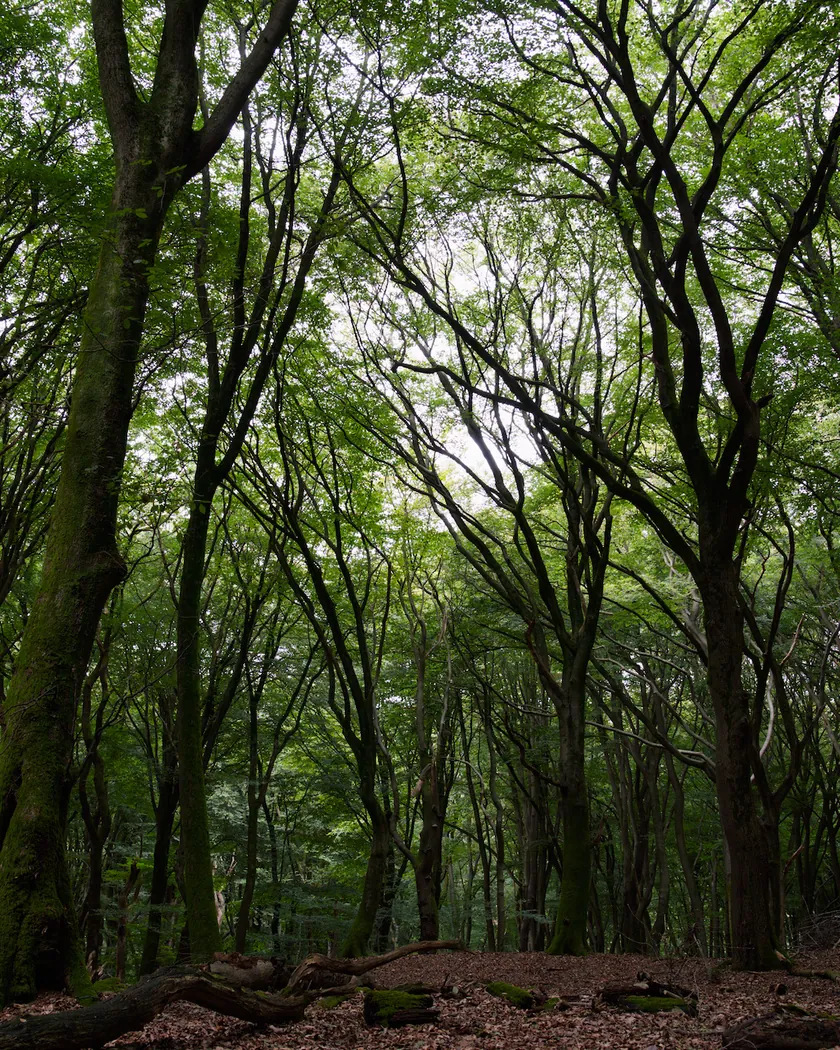
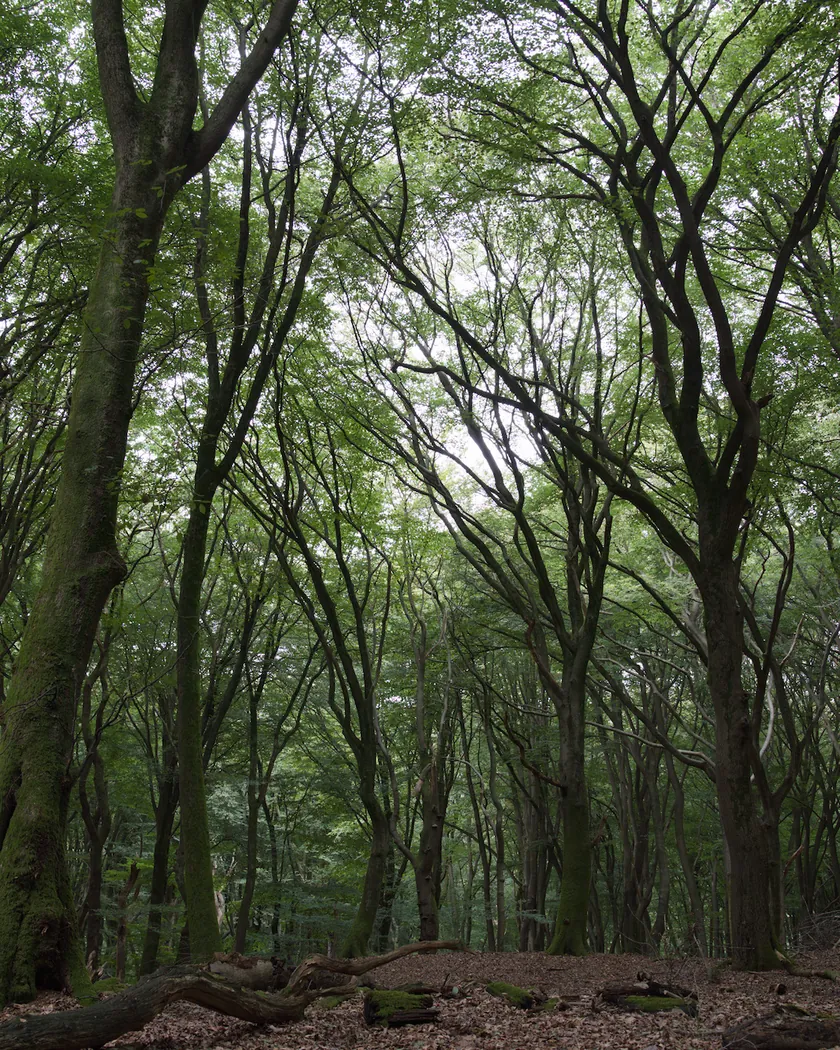
Translation into darktable
| Module | Role | Settings |
|---|---|---|
| rgb primaries | Blues turned slightly toward cyan | Blue hue −0.03 rad |
| color balance rgb (instance “film”) | Warm-neutral balance in the highlights, blacks left untouched | Highlights 50° / 0.012 |
| color equalizer | Dense reds, oranges pulled toward red, stronger yellows, subdued greens, darker skies with a hint of cyan | Red: saturation ×1.15, brightness ×0.93; orange: hue −6°; yellow: saturation ×1.15; green: saturation ×0.88; blue: brightness ×0.90, hue −5° |
| tone curve (RGB, linked channels) | Contrasty, deep blacks, graded shadows | Nodes (0, 0) (0.1, 0.035) (0.25, 0.19) (0.5, 0.49) (0.75, 0.78) (0.9, 0.92) (1, 0.99) |
Measurements
The measurements come from a few test photos of our own, which are not published on this site. The photos shown here are different.
| Photo | Zone | Baseline | Metric | Before | After | Film expectation |
|---|---|---|---|---|---|---|
| 0775 | whole image | Base rendering | Lsd (contrast) | 14.3 | 16.9 | Slightly more contrast than Ektachrome: higher |
| 1014 | whole image | Base rendering | L5 (blacks) | 2.6 | 0.7 | Deep, neutral blacks |
| 0775 | sky | Base rendering | L | 55.3 | 52.2 | Skies slightly darker (a hypothesis from the red layer's sensitivity) |
| 0775 | sky | Base rendering | C (chroma) | 27.5 | 31.1 | Deep blue skies |
| 0775 | sky | Base rendering | h (hue, °) | 273.6 | 266.4 | A slight cyan cast in some Kodachrome 64 skies |
| 0989 | skin | Base rendering | C (chroma) | 16.4 | 22.4 | Warmer, more saturated than Ektachrome |
| 1014 | pink T-shirt | Base rendering | C (chroma) | 33.7 | 41.9 | Rich reds |
Base rendering: darktable’s default processing of the RAW file, without the preset. Luminance conversion (black and white): the same photo converted with plain luminance weights, to isolate the effect of the film’s spectral sensitivity.
What the style changes
The style uses four darktable modules. It aims at the Kodachrome 64 that photographers describe: rich reds and yellows, deep and neutral blacks, slightly more contrast than Ektachrome and deep skies with a touch of cyan, as detailed on the Kodak Kodachrome 64 film page. The film is discontinued, so the style is built from the datasheet and from written accounts, not from new rolls. All figures below come from renders made with darktable-cli 5.6.0 at 1000 px, measured in CIELab.
- Contrast and deep blacks. The tone curve pushes the shadows down, keeps a gradation in them and lets the highlights rise almost to white. Contrast rises from Lsd 14.3 to 16.9, and the darkest 5 % of the frame drop from L 2.6 to 0.7. The curve acts on each channel without color preservation, so saturation rises with contrast, as on film.
- Dense reds and yellows. The color equalizer raises red saturation by 15 % while darkening reds slightly, pulls oranges 6° toward red and raises yellow saturation by 15 %. A pink T-shirt goes from chroma 33.7 to 41.9.
- Deep skies with a hint of cyan. The color equalizer darkens blues and turns them toward cyan, helped by a small rotation in rgb primaries. The sky gets darker (L 55.3 → 52.2), more saturated (C 27.5 → 31.1) and moves from 273.6° to 266.4° of hue.
- A warm-neutral balance. A color balance rgb instance named “film” adds a faint warmth to the highlights only, so the blacks stay neutral.
- Skin. Skin chroma rises by about 37 % (16.4 → 22.4). An intermediate version reached +61 %; it was pulled back to keep skin natural.
- No grain. Kodak rated Kodachrome 64 at RMS 10, “extremely fine grain”, so the style adds none.
For comparison, the t3mujinpack Kodachrome 64 style, rendered on the same files, raises contrast about as much (Lsd 16.0) but desaturates the sky (C 18.9). This style follows the written sources, which describe deep, saturated skies.
What it leaves alone
- Your base development. The style contains no exposure, no sigmoid or filmic, no white balance and no LUT: those settings stay as you made them.
- Your own color balance rgb. The style’s instance is named “film”. Applied from darktable’s interface, a named instance is added next to yours and does not overwrite it.
- But not your rgb primaries, color equalizer or tone curve. Applied from the lighttable or the darkroom, each unnamed module of the style replaces your instance of the same module, if you have one, with the style’s settings. Your earlier settings stay in the history stack, so you can go back to them. Only exporting with a style, or darktable-cli (which we used for the measurements), adds the style’s modules as separate instances. The installation guide explains both cases.
- Your pipeline order. The style file carries no module order list, so it does not impose one on your image.
Limits
- An interpretation, not a calibration. No Kodachrome was scanned or measured to tune the style. The reference itself is uncertain: Kodachrome slides were balanced for projector light, and many scans online look bluer than the slides.
- Subdued greens are not well sourced. The style lowers green saturation by 12 %. We found no written source for subdued Kodachrome greens, and some accounts describe vivid greens. If your greens look dull, set the green saturation back to 1.0 in the color equalizer.
- Darker, cyan-leaning skies rest on one photographer’s observation of a cyan cast in Kodachrome 64 skies and on a colorimetric hypothesis about the red layer, not on measurements of the film.
- Shadow color. On the datasheet curves, red, green and blue separate in the deep shadows. The style keeps neutral blacks, as photographers describe them, instead of reproducing that separation channel by channel.
- No film behavior. Narrow slide latitude, reciprocity and the K-14 process itself cannot be reproduced by a style.
Tips
- For a denser slide, lower the exposure slightly in your base edit: the curve will push more of the frame into its deep shadows.
- Everything stays editable. Each module of the style is an ordinary instance: you can soften the reds in the color equalizer or switch off the “film” color balance rgb.
- Installation: see Install and apply darktable styles.
Get the preset
GA — 018 / P · darktable preset
Kodachrome 64
for darktable